- International Plant Day

The three flowers, I have received after jaw surgery from friends and family. The plant is a gift from the elementary class that I completed my 3-week practicum with.
- Be Shady or Shadowy

- Monster Art
- Backlight it

Exploring the media of photography and images, a visual representation can provide a lot of detail and context to a story. A photo can help the viewers understand what a character looks like or the setting. This can be helpful when a specific detail is important, as memory retention is better when there is a visual provided. When a person can picture the scene that a writer is trying to set, the reader will be more connected to the story.
Visuals are not just useful in storytelling, visuals are extremely helpful in day-to-day life, in learning and giving direction. When trying to explain something in the written or spoken word, information is often misunderstood. Providing an image to visualize information can help clarify and highlight important details.
When I have coached, it is extremely beneficial to include a visual representation. I normally I draw out the pattern of the drill when I am explaining it, then do a demonstration with a few of the players, so everyone has an idea of what the drill should look like. I don’t usually have this available, but having an image of the drill set up that can be drawn on would be more helpful to provide spacing and more specific details to the explanation. This provides more depth to the explanation, so the drawing isn’t just a whole bunch of lines overlapping.
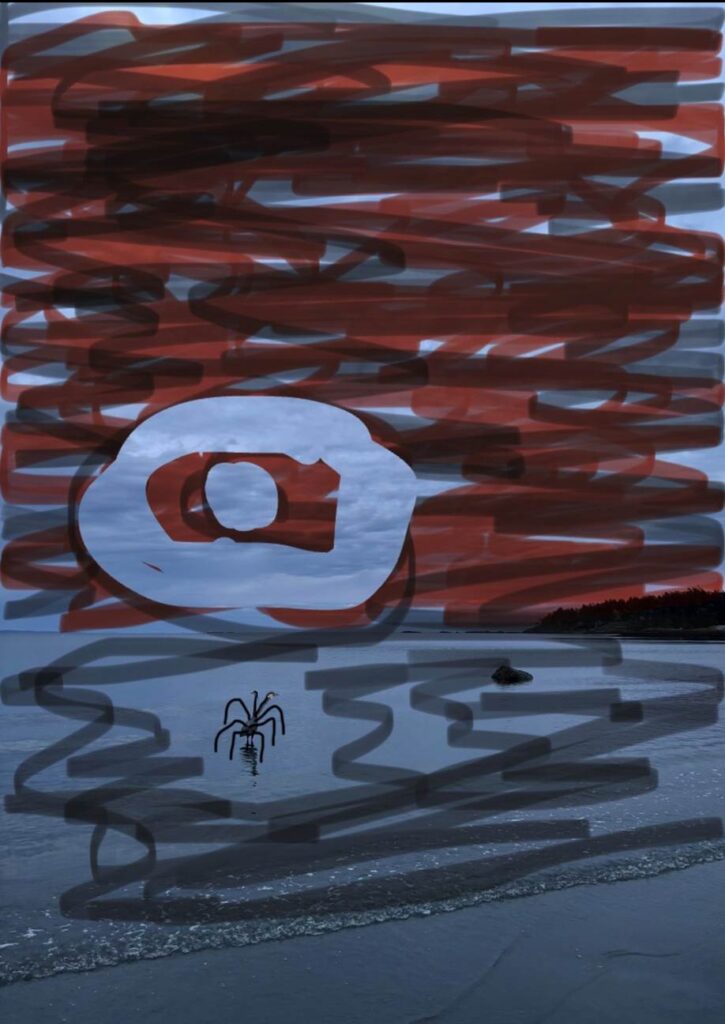
This is just one example of how an image can provide more context, but there are many other examples in real life where this benefits. Images are also useful in storytelling, written or oral. A good use of images when storytelling would be when trying to describe a very specific location or character that will be mentioned throughout the story (especially if it is infrequently mentioned). Adding an image of this thing or place the first time it is mentioned will provide a visual that they can reference or picture in their head now, anytime that this is referenced in the story. A good demonstration of this would be the Monster Art activity; if I tried to explain the thing that I made only using words, it would not be very clear and readers may become confused, but providing the image gives a clear visual that they can now use throughout the book.
Photography connects well to Mayer’s principles because images help viewers build a clear mental model of what they’re learning or reading about. Photos also tie into the Signaling Principle when certain parts of the image are emphasized, these cues guide attention to the most important information. The Redundancy Principle relates as well; a single clear image often communicates spacing, structure, or appearance more efficiently than repeating the same details through long verbal explanations. Activities like the Monster Art example show how essential visuals can be: without the image, the description would be vague and hard to picture, but the photo gives readers a concrete reference that strengthens understanding throughout the story. Photography, whether it’s used in coaching, storytelling, or everyday communication, helps provide clarity by giving people something concrete to visualize and remember.
Recent Comments