I wonder if I put a few words here?

Category: Uncategorised

Portfolio Reflection

Throughout this course, I explored a wide range of media formats through my Daily Creates, and each week pushed me to think differently about how people learn, how meaning is communicated, and how design choices shape understanding. Working with text, images, video, audio, multimedia, and data visualization helped me see how learning theories, specifically multimedia design principles, directly influence the way educational resources are created.

My first week of Daily Creates focused on text, which is one of the simplest and most familiar forms of media. In my post, Week 1- Text (https://edci337rainah.opened.ca/2026/05/22/week-1-text/), I wrote poems and a short story, which reminded me how powerful written language can be in guiding a reader’s imagination. Writing a limerick required me to do some research to remind myself of the structure and think carefully about rhythm, rhyme, and pacing. This process helped me understand how text naturally segments information, which connects to the Segmenting Principle. The First Lines poem gave me more freedom, and I found myself leaning into a conversational tone that aligns with the Personalization Principle. Even though text is simple, it is incredibly flexible, and this week helped me see how written storytelling supports learning by helping readers build mental images and emotional connections.
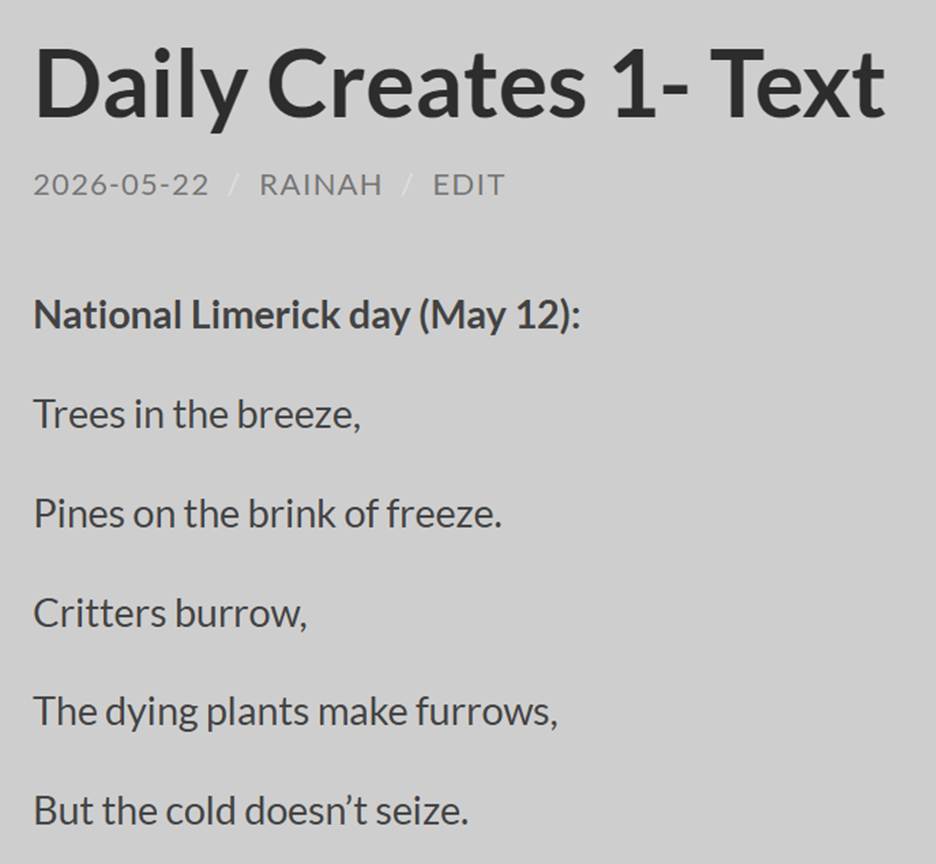
The next week, I shifted to audio in Daily Creates 2 (https://edci337rainah.opened.ca/2026/05/24/daily-creates-2/). Recording audio felt very different from writing because tone, pacing, and emphasis suddenly mattered in ways that text alone cannot capture. Reading a poem out loud or attempting to pronounce a difficult word made me realize how much meaning is carried through sound. This connected strongly to the Voice Principle, which emphasizes the importance of natural human speech in learning. Audio also helped me understand the Temporal Contiguity Principle, because hearing the pronunciation of a word immediately after seeing it made the learning experience more cohesive. Exploring apps like Wolfram Tones and Visualize the Music pushed me to think about how sound can be transformed into something visual or interactive, which deepened my understanding of how different senses can work together to support learning.
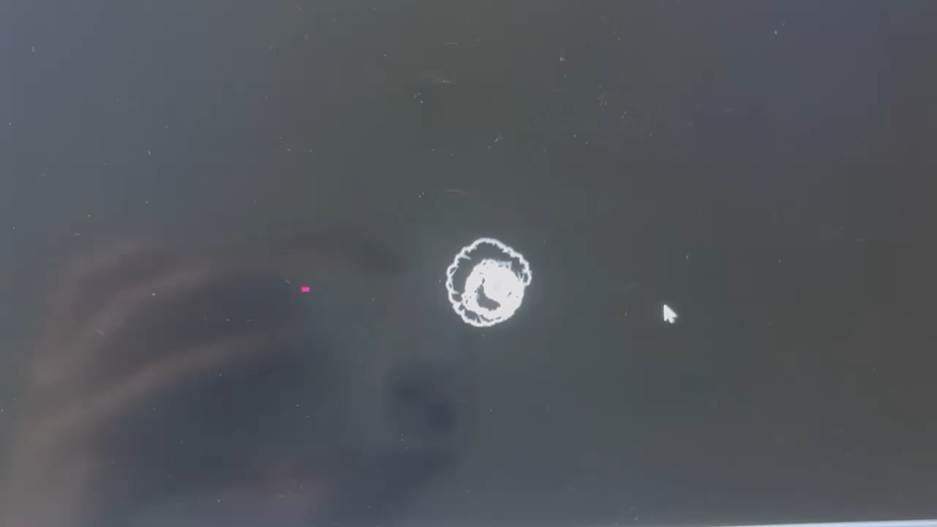
My third week focused on images (https://edci337rainah.opened.ca/2026/05/30/daily-creates-3-images/). Photography and visual representation are incredibly powerful tools for communication because they give viewers an immediate anchor for understanding. As I mentioned in the post, when I coach, I often draw out drills to help players visualize spacing and movement, and reflecting on this helped me see how images reduce cognitive load by giving learners something concrete to reference. This connects to the Representational Pictures Principle, which highlights how realistic visuals support comprehension. Adding labels or drawn elements directly onto an image also relates to the Signaling Principle, because it guides attention to the most important details.
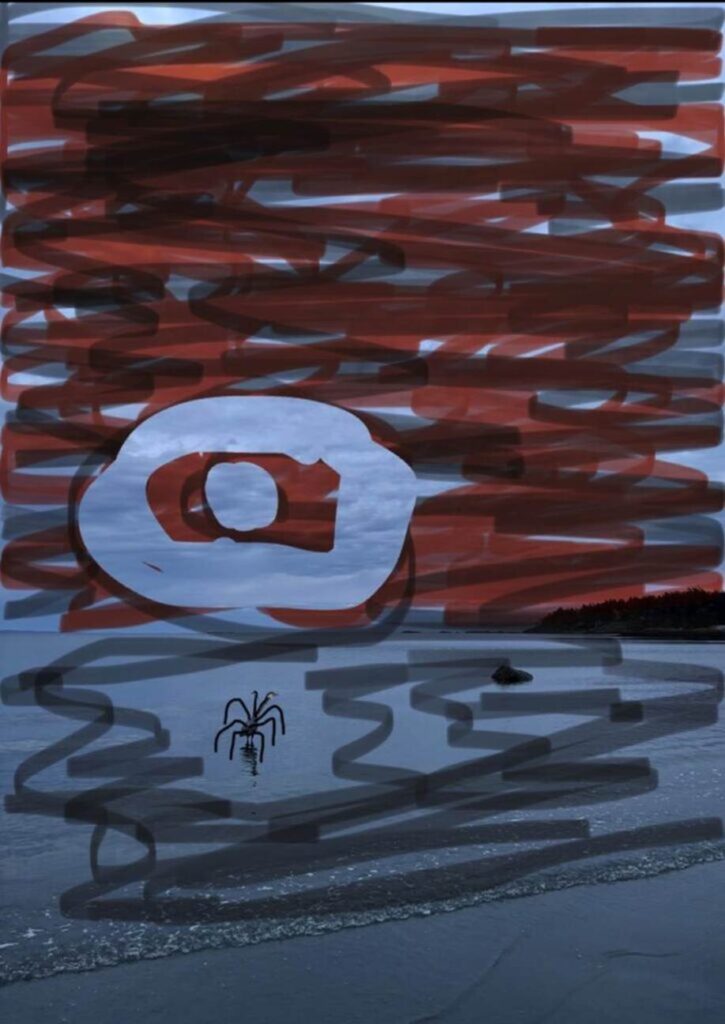
The Monster Art activity reinforced how essential visuals can be; without the image, the description would have been confusing, but the picture provided a clear reference point that strengthened understanding. This week helped me see how images support learning not only in storytelling but also in everyday communication and instruction.

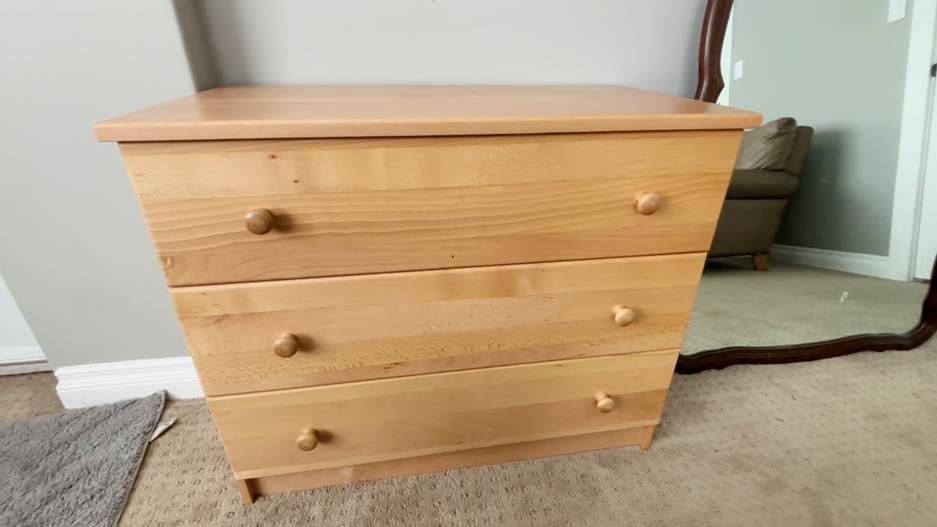
In Daily Creates 4- Video (https://edci337rainah.opened.ca/2026/06/06/daily-creates-4-video/), I explored video as a form of media. Video combines visuals, audio, and sometimes text, making it one of the best formats for learning. My “Explain an Item” video, where I showed and described a dresser, helped me understand how the Multimedia Principle works in practice. Showing the dresser from different angles while explaining its purpose made the information clearer than if I had only described it verbally.
The One Take Tongue Twister prompt helped me see how text can support audio by giving viewers something to follow along with, especially when the spoken words are fast or unclear. This relates to the Modality Principle, which emphasizes balancing visual and auditory channels to avoid overload. Video also made me think about accessibility, like how someone might rely on audio if they cannot look at the screen, or rely on visuals and text if they cannot hear the audio. This week helped me understand how video can support diverse learners by offering multiple ways to access meaning.

My fifth week focused on multimedia, which I explored in Daily Creates 5- Multimedia (https://edci337rainah.opened.ca/2026/06/12/daily-creates-5-multimedia/). This week tied together everything I had learned so far. By layering text, audio, and visuals onto photos and videos, I was able to create richer and more engaging pieces.
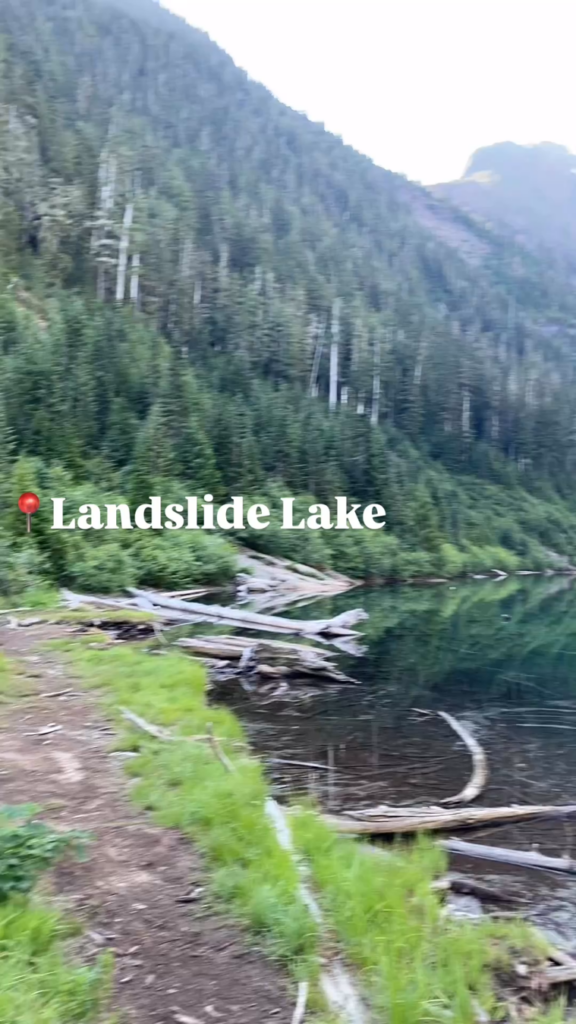
Multimedia aligns closely with Mayer’s principles because it uses multiple channels to support understanding. I found myself thinking about coherence, keeping only the elements that supported the message, and about how different audiences might interact with the media. For example, someone might listen to the audio while multitasking, while someone else might rely on the text if they are in a loud environment. This week helped me understand how multimedia design supports accessibility, engagement, and clarity, all of which are essential in educational contexts.

My final week explored data visualization in Daily Creates 6- DataVis (https://edci337rainah.opened.ca/2026/06/22/daily-creates-6-datavis/). This was one of the most abstract forms of media I worked with, and it challenged me to think about how information can be represented visually in ways that are meaningful and easy to interpret. Using sound to generate visual patterns helped me understand how data can be transformed into something more accessible. This week connected to the Signaling Principle again, because effective data visualization relies on highlighting the most important information. It also connected to design thinking, because I had to experiment with different inputs and reflect on how the visuals changed. This experience helped me see how data visualization can support learning by making complex information easier to understand.
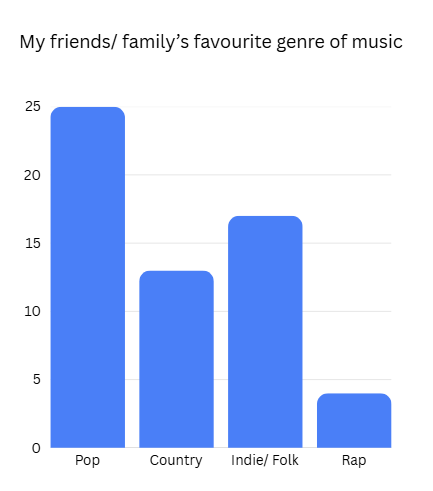
Across all six weeks, I engaged in design thinking by experimenting, revising, and making intentional choices to improve clarity and engagement. Whether I was writing a poem, recording audio, filming a video, or creating a data visualization, I had to think about the how to draw interest to the media, match the needs of the audience, and how to communicate meaning effectively. This process helped me understand how design thinking supports multimedia learning projects by encouraging creativity, problem‑solving, and reflection.

I also created a wide range of media examples throughout the course, exploring different ways they can be incorporated into stories and media. These included text‑based pieces, images, videos, audio recordings, multimedia edits, and data visualizations. These artifacts allowed me to try different methods of using multimedia, and demonstrated my ability to work with different media formats and experiment with new tools. All of these creations are linked in my Daily Creates posts, making it easy to see how each example connects to the course learning goals and specific medias.

Throughout this course, I didn’t rely on GenAI to create my poems, stories, videos, or other Daily Creates. All of the creative work was my own, which was important to me because I wanted to genuinely explore each form of media. I also just personally do not trust AI to be responsible for any of my work due to the unreliability and environmental factors. Even though I am not the biggest fan of AI use to generate my artifacts, I still learned a lot about its role in education and why it matters to understand how to use it responsibly. As a future teacher, I know my students will grow up surrounded by AI tools, and part of my job will be helping them understand when AI can support their learning and when it might limit their creativity or accuracy. Learning about GenAI in this course helped me see how it can be a helpful tool for brainstorming, clarifying ideas, or refining writing, but also why it’s important to teach students to use it ethically, thoughtfully, and being able to understand its limitations.

Of course, I faced challenges along the way. Writing poetry felt unfamiliar at first, especially the structured limerick as it had been so long since I have had to write any poetry. Recording audio made me self‑conscious about my tone and pacing, especially since I was recovery from jaw surgery and my speech was not the most clear. The video creation made me think about framing, narration, and any distracting visuals/ noise that could impact the message. I also struggled to find a good topic and reliable research for my data visualization prompt. But each challenge helped me grow as a multimedia creator, and working through them gave me confidence to try new tools and formats.

Looking back on this course, I can see how valuable these skills will be in my future career in elementary education. Young learners benefit from clear visuals, simple audio explanations, interactive storytelling, and multimodal learning opportunities. The ability to create engaging multimedia resources will help me support diverse learners and make lessons more accessible. This course also reminded me how important creativity is—not just for students, but for teachers as well. As a future educator, I want to model creativity, encourage exploration, and give students opportunities to express themselves through multiple forms of media. The skills I developed in this course will support me not only in my teaching career but also in future courses and in my everyday life as someone who values clear, thoughtful communication.

Resources

https://edci337rainah.opened.ca/2026/06/22/daily-creates-6-datavis/

https://edci337rainah.opened.ca/2026/06/12/daily-creates-5-multimedia/

https://edci337rainah.opened.ca/2026/06/06/daily-creates-4-video/  

https://edci337rainah.opened.ca/2026/05/30/daily-creates-3-images/

https://edci337rainah.opened.ca/2026/05/24/daily-creates-2/

https://edci337rainah.opened.ca/2026/05/22/week-1-text/ Course Outline – EDCI 337

 https://educationaltechnology.net/mayers-principles-of-multimedia-learning/
Multimedia Story Reflection

To write my multimedia story Hornby, I tried to follow closely to my story draft. I took the feedback from the peers in my small group and the professor, but the feedback was all positive, commenting that my idea was good and to stick with what I already had. I did end up changing the reason why I wanted to find the special spot in my story so badly. I originally said it was because of the peace it brought me after my dog died, but the way I had written the story, it seemed that it would be too random to bring up the passing of my dog at the end of the story with no mention of it prior. Instead, I just went with needing to escape the chaos of my family and our friends for a bit. I tried to keep the story interesting by not revealing what exactly I was trying to find till the end of the story, that is also why it was then difficult to incorporate my childhood dog into it.

Based on the plan in my draft, I ended up doing a day trip to Hornby Island. I drove my car over and brought my dog along for the adventure. To incorporate the multimedia, I brought my phone which took photos, videos, and audio recordings. I also brought my camera to take photos as well, but I didn’t use it too much due to the simplicity of using my phone. I ended up forgetting my sketch pad in my rush out the door to catch the ferry, and I decided I didn’t need sketches in the end because the photos and videos covered everything and I was meeting the requirement of 4 types of media (at least I thought at the time- text, images, videos, and audio…).

For the forms of media I used, I incorporated text, images, videos and some audio. I had difficulties adding the audio recordings to my blog post (as mentioned at the bottom of my story post), but the videos do incorporate audio that I believe add to the information I had in the story. In the draft, I also mentioned potentially incorporating drawings, but I did not do this for my final story. I forgot to pack a sketchbook in my rush to catch the ferry, and I ended up feeling like the photos were able to portray everything in the story (also I am not a very good artist, so I am not sure how much the drawings would have added).

To incorporate the Mayer’s Principles, as I mentioned in my draft, I included multiple forms of media to make the story more engaging and memorable for readers/ viewers. To do this, I added visuals like photos and videos, as well as audios (which just ended up being the videos due to difficulties with the voice recordings) to add to the text, following the modality principle. When writing the story, I used casual language like I stated in my draft. This matches the Mayer’s Principles of “personalization” making the reading more engaging with more interesting script than stiff, formal text. I tried to follow the spatial and temporal contingency principles by placing my photos and videos directly after the text that explains the setting/ experience. Following the segmenting aspect of Mayer’s Principles, I also tried to keep my paragraphs relatively short and specifically spaced based on the plot and information given for that segment.

(If the videos do not cover the audio aspect, and a fourth type of media is required, please let me know and I will figure out something else to add asap! I figured I would post the story first due to the deadline just to show that I have finished it)

Multimedia Story

Hornby

By: Raina Hagel

As the ferry docks, I am jolted forward slightly from the impact. I sit in my car with the window cracked, listening to the loud hum from the boat and seagulls squawking. The salty, ocean air wafts into my car. I watch as the vehicles beside me unload, a clank every time another vehicle goes up the ramp.

Each person has come to the island for their own reason: a local coming home, visiting a friend or family, a relaxing beach day, a mountain bike trip– people coming for the day, a weekend, or home. I think about why I’ve come back. All the memories.

It has been years since I’ve visited with my family. The last time I was here, we came for a weekend just after my 11th birthday. It was the start of summer and we rented a little cottage with our family friends. We spent the mornings mountain biking and the afternoons at the beach. It was nice. Simple, island life: everything a short bike ride away, spending the days outside in the sun, and the nights by a fire. Life has gotten so busy that I haven’t really had a chance to come back since then.

Hornby is a small island off of Denman Island, which is just off Buckley Bay. With the two short ferry rides, it takes about an hour to get to Hornby from Comox, my hometown, depending if you’ve timed the ferries right. It isn’t some huge trip to get there, but I never really have a reason to go, so the idea always gets pushed off for another time and it just never ended up happening. So this year, I’m home from university and decided that I will get back to Hornby this summer. So here I am. And once again, I think of the reason why I have come here today.

Finally, it is my turn to unload, so I turn my car on and put it into drive. The radio comes on and blasts a random ad before I can connect to Bluetooth. I drive onto the ramp, and there is a soft rumble as I roll over the metal grates.

Finally, I reach pavement, driving past all the cars lined up to take the ferry back to Denman. My music connects and Stubborn Love starts playing from my summer playlist. I drive up the hill from the ferry, towards the town square. The windows are down, wind blowing my hair and providing a nice breeze in the hot car as I pass all the homes. I pass properties filled with trees and wild grass, many with horses and goats. I pass flower stands, local art galleries, the small elementary school and community hall; everything is so wholesome and naturally beautiful. Finally, I reach the far end of the island where the local grocery store, gas station and some small shops are. I turn into the gravel parking lot and park my car. It’s 12:18, so I will buy some lunch before the long day ahead of me. I decide on a fresh pepperoni pizza and I sit in the shop square.

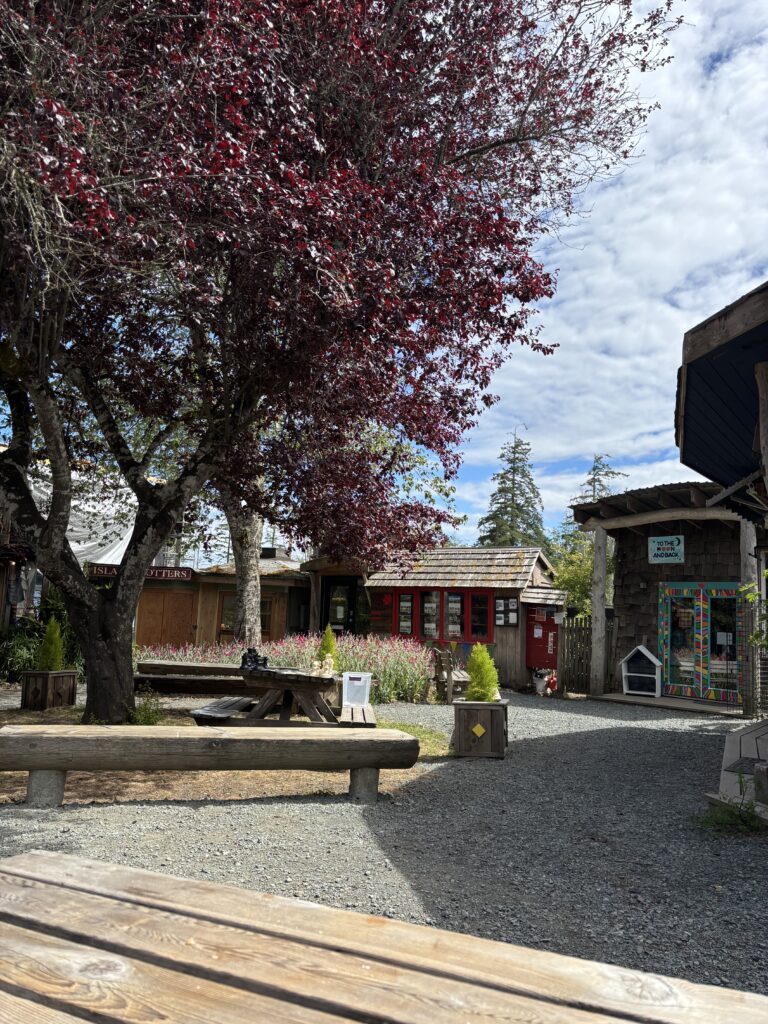
It isn’t very busy on this Wednesday in June. As I eat my slice of pizza, there are only a few people who walk by. The square is simple: a few picnic tables, some games that people can play, and a nice garden, all in the middle of the shops. I finish my pizza and walk around the square for a minute before heading back to the car. Now that I have eaten, I can focus on my mission– the reason I’ve been wanting to come back to Hornby for so long, the reason I’m here today.

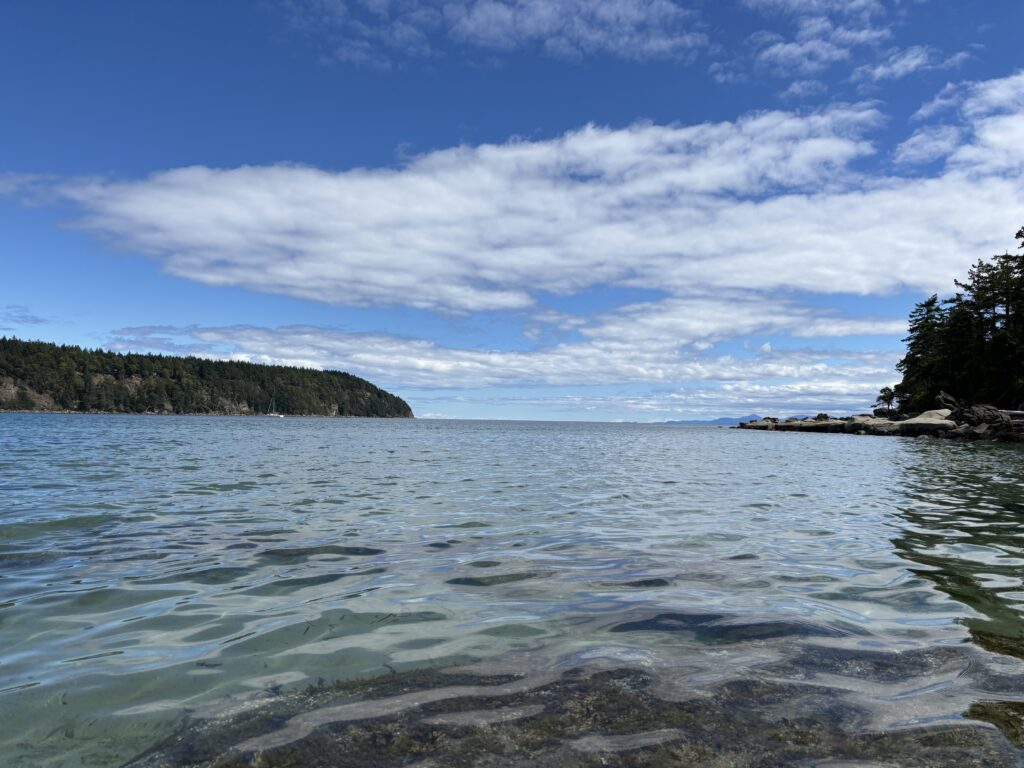
The first place I decide to explore is Tribune Bay, which is a quick walk from the town square. With white sand, crystal clear water, and moon-like rocks, it’s a nice place to escape to. Hornby is known for this beach, it’s often called “Little Hawa’ii” and is super busy during the summer.

Today, only one corner of the beach has a couple young families playing catch, and an older couple walking their dog. I walk along the beach by the edge of the water, towards a quiet edge by the moon rocks. As I’m walk, I listen to the rhythmic sound of waves crashing on the shoreline. This corner is a bit more secluded from the main part of the beach. It has a great view of the bay and I can sit right by the water, but it isn’t the most peaceful spot. The people from the beach’s voices echo across the water. We are half the beach away from each other, but I can still hear what they are saying, word for word, as if they were right next to me.

Although this beach is beautiful, it’s not the place I have come to find. The spot I remember was quiet. Somewhere you can sit for hours and feel totally alone, just me and the nature around me. It had this incredible view at the edge of a forest, overlooking the water.

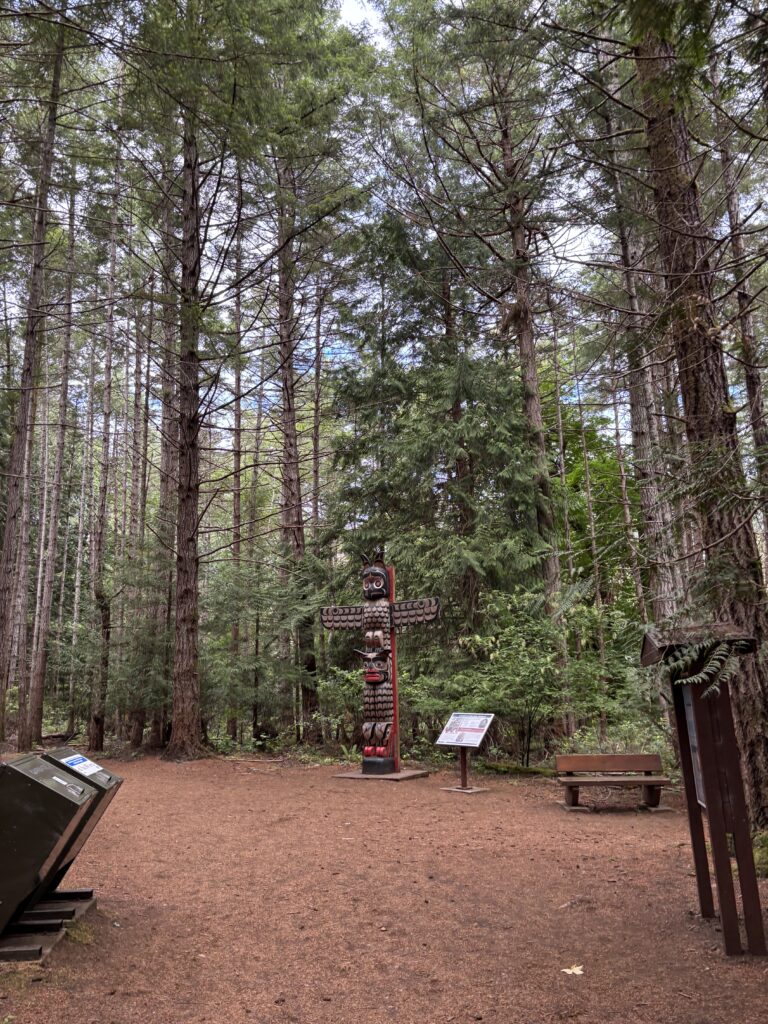
I walk back to my car, and head to the next location: Helliwell Park. It’s about a 5-minute drive from Tribune Bay, down a skinny road with overgrown grass on the sides and trees hanging over the road making a tunnel. I drive up a steep hill and pull into a dirt parking lot basically in the middle of a forest. It is a lot busier than I expected in the middle of the day on a Wednesday. I slip my sweater on and jump out of the car, heading for the trail entrance. I walk along a wide trail, passing a few locals and tourists. I come to a fork in the trail with a beautiful totem pole, I admire the work for a moment before choosing to take the trail to the right.

I walk along the forested trail for a few more minutes before the trees completely clear to an open field overlooking the water. As I walk towards the ocean view, the steep drop-off of a cliff becomes clear. I look around the open space and see quite a few people wandering the space, some just heading out, some coming back, and some doing some photography; all walking in different directions. I pick a small deer trail in the grass that doesn’t look to have anyone on it. The small dirt trail is right by the cliff’s edge, it has a great view of the water and Denman Island across the channel.

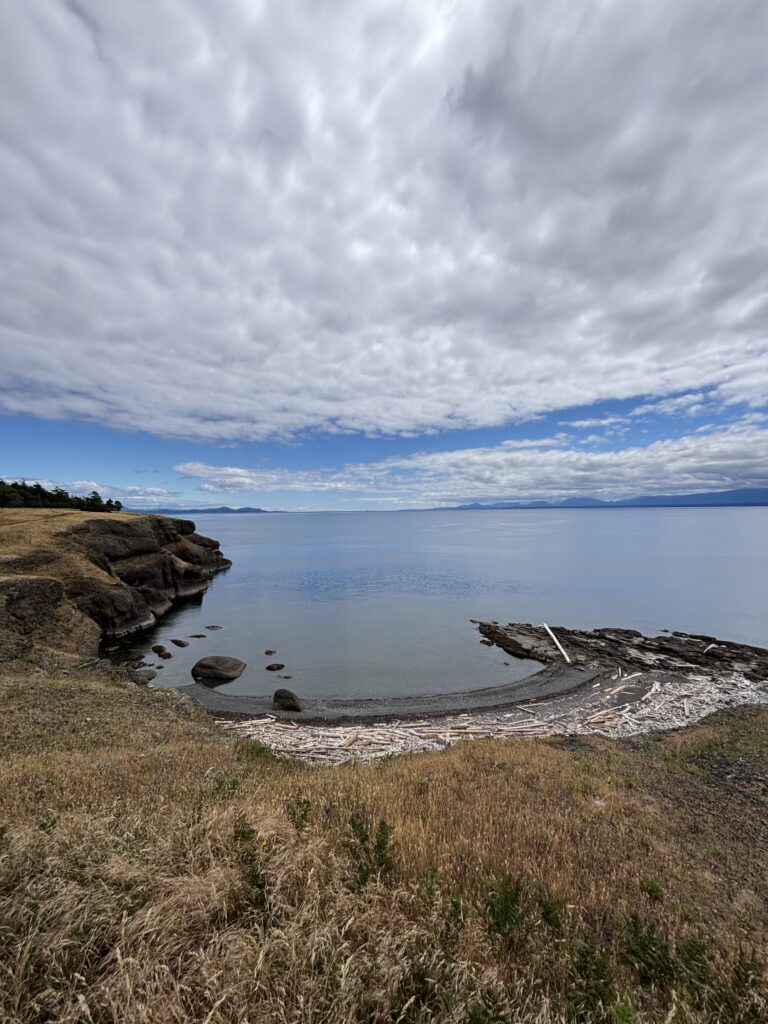
As I continue to explore, a small beach at the bottom of the cliff comes into view, it looks really peaceful; not a person down there, a line of driftwood perfect to sit on, and some light waves crashing on the shoreline. I venture towards the small bay, trying to find a way down. I walk along the cliffs edge to where the small bay ends, but I can’t find a way down.

I continue on the trail till it basically ends at the edge of some trees and shrubs. I turn back and head towards the parking lot. This place has an amazing view, but it’s too busy and there isn’t a good place to just sit and look out at the water. There is still one more place I have in mind to check out, I passed it on the way in, so I’ll stop there before I need to get back to the ferry.

               —————————————————————————–

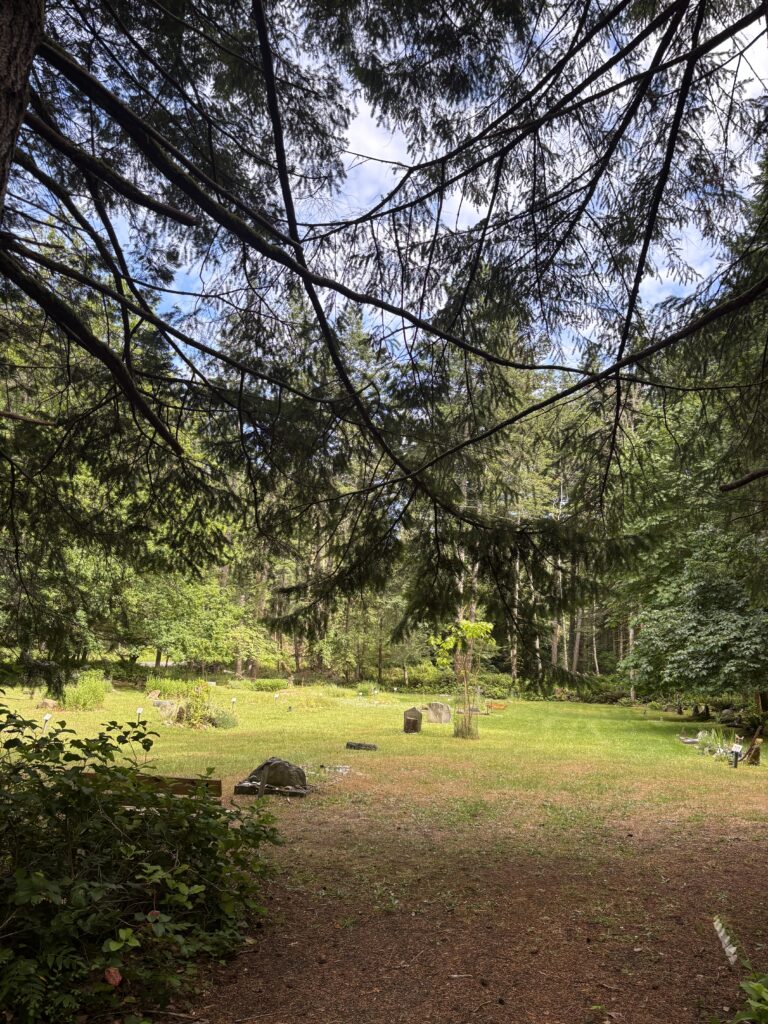
I pull into the small, empty parking lot. There’s a small cemetery at the edge of the forest. I hop out of the car and check out the cemetery from the parking lot, before starting on the trail.

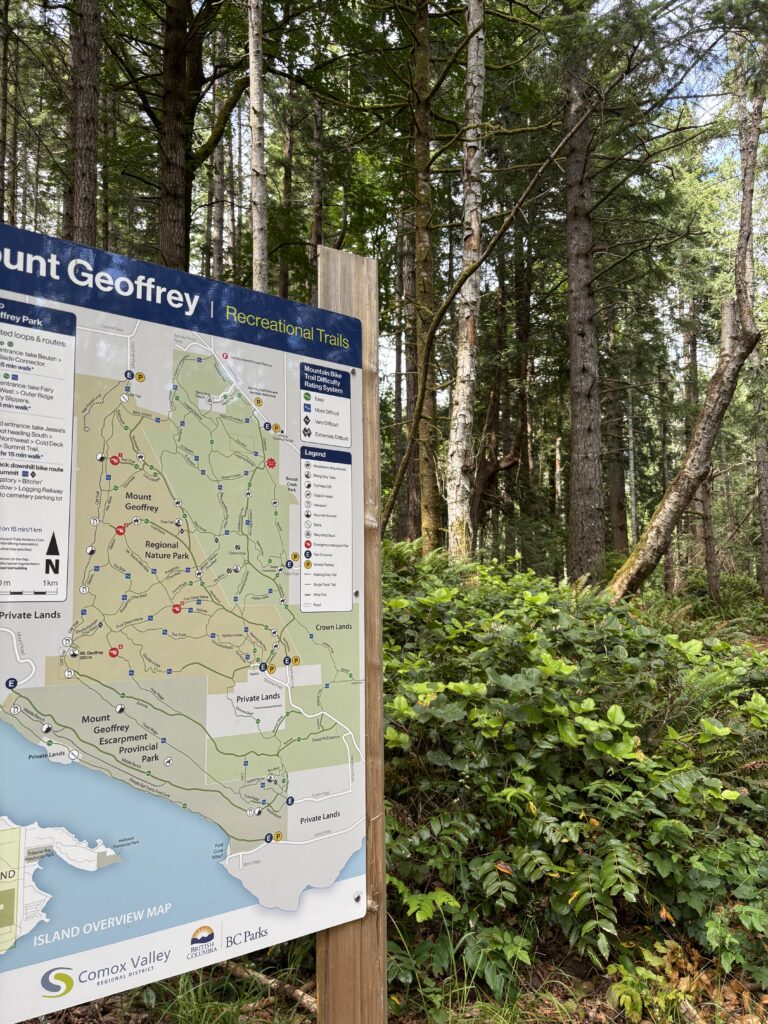
I find a map of the forest, finding a good lookout point and deciding my path. I decide to follow a fairly easy trail called “Northwind” that is supposed to lead to a nice view.

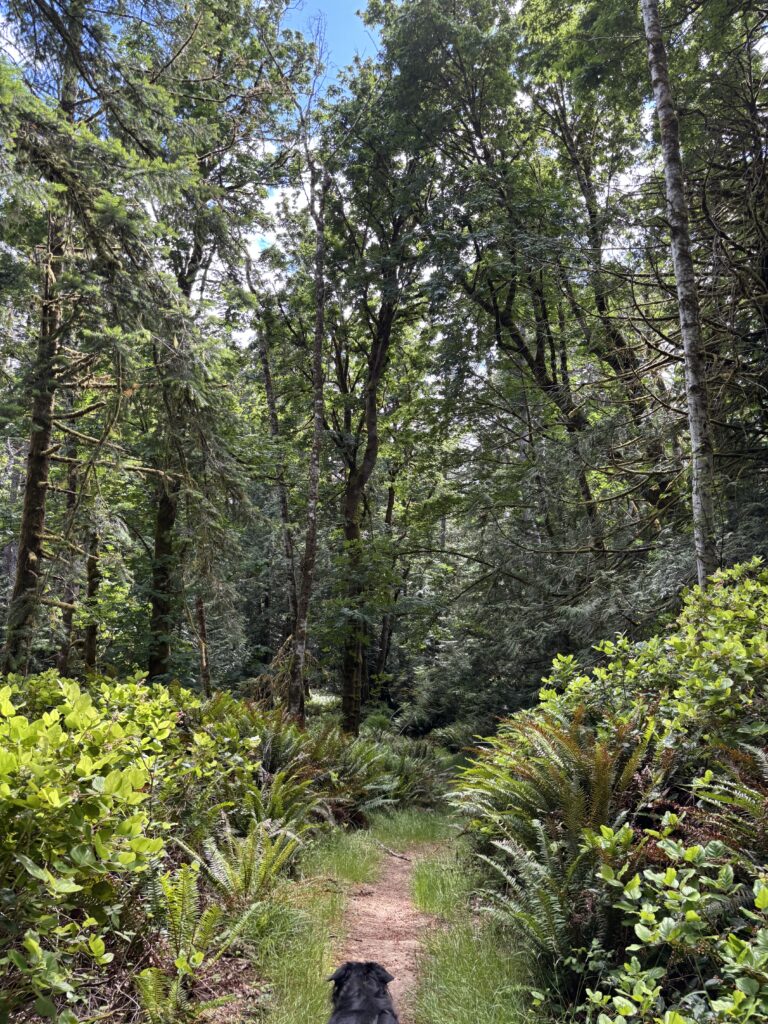
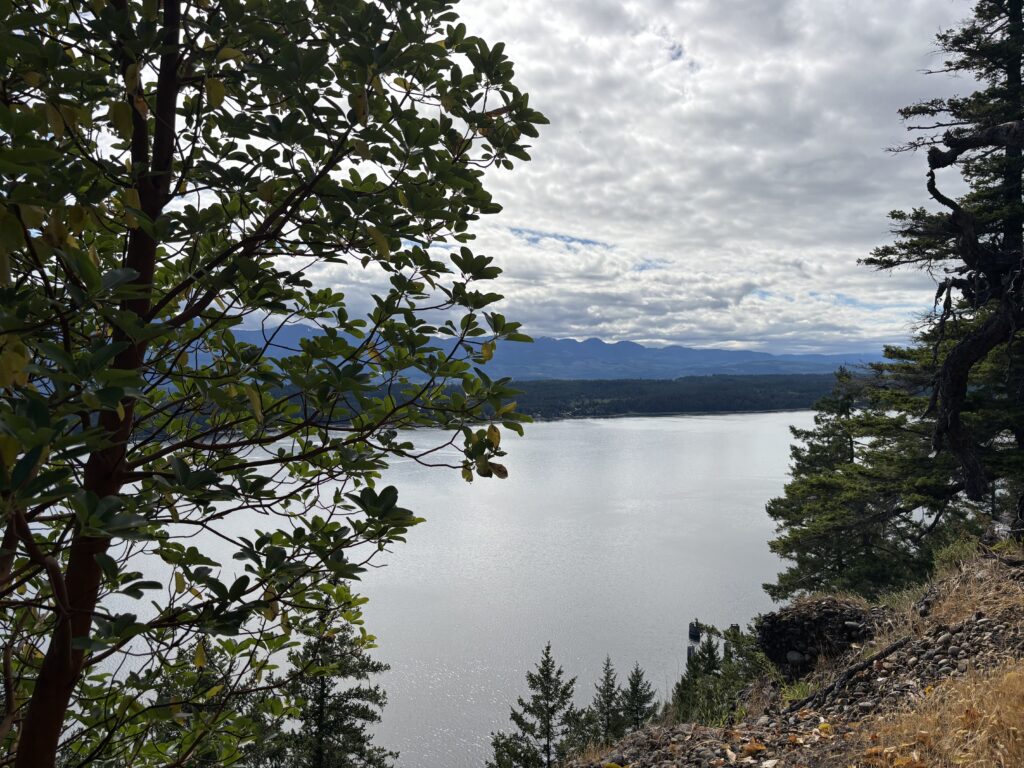
The walk takes about half an hour to get to the spot, there were some big hills to get here, but the lush path with the sounds of birds all around were very peaceful, and the view was worth it.

This is an amazing look out, but it still doesn’t seem like the place I’m looking for; it is right off a trail that people walk and mountain bike, and there isn’t a good spot to just sit and zone out while looking at the view. This is a spot you can stop for a moment, catch your breath, maybe take a photo or two, then continue on your way.

I head back down the trail. By the time I reach the parking lot, there is roughly an hour before the last ferry leaves, back for Denman for the night. I have a bit of time before I need to get there, but not lots, and I’ve explored all the places I had in mind. I don’t know where else I could go and I don’t have enough time to explore the island randomly. So I pull out of the parking lot and turn left towards the ferry. The drive along the quiet country road is peaceful, the sun is beginning to set and it is right at that bright, golden hour lighting. My summer playlist is playing in the background as I enjoy all the scenery passing by with the wind in hair. As I take the final bend just before the ferry, I spot something I recognize. A small side street, the sign labeled Mount RD partially covered by leaves from an overhanging tree branch.

I contemplate checking it out; I am just around the corner from the ferry, I check my car’s clock and there’s a little bit of time to kill, otherwise I’ll just be sitting in the terminal for 45 minutes. Quickly, I check my surroundings and make a sharp U-turn on the skinny road. I turn onto Mount Road and drive through a neighbourhood. As I continue up the road, the concrete ends and a steep, gravel road continues. I drive up into a cul-de-sac and spot a hidden trail entrance.

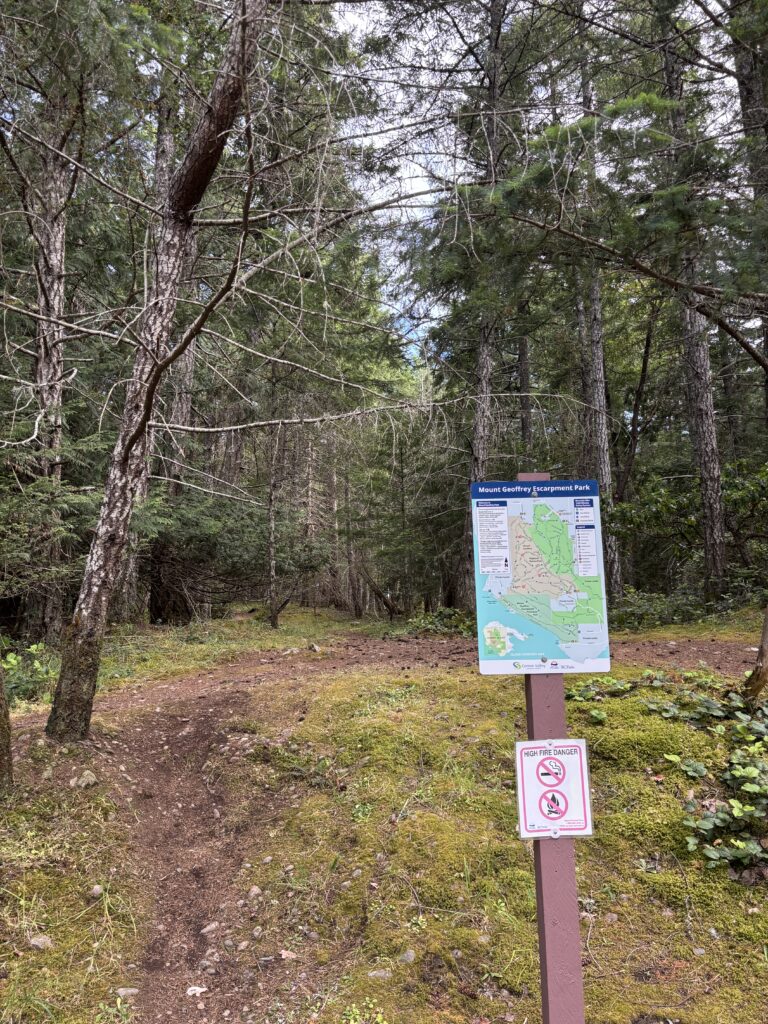
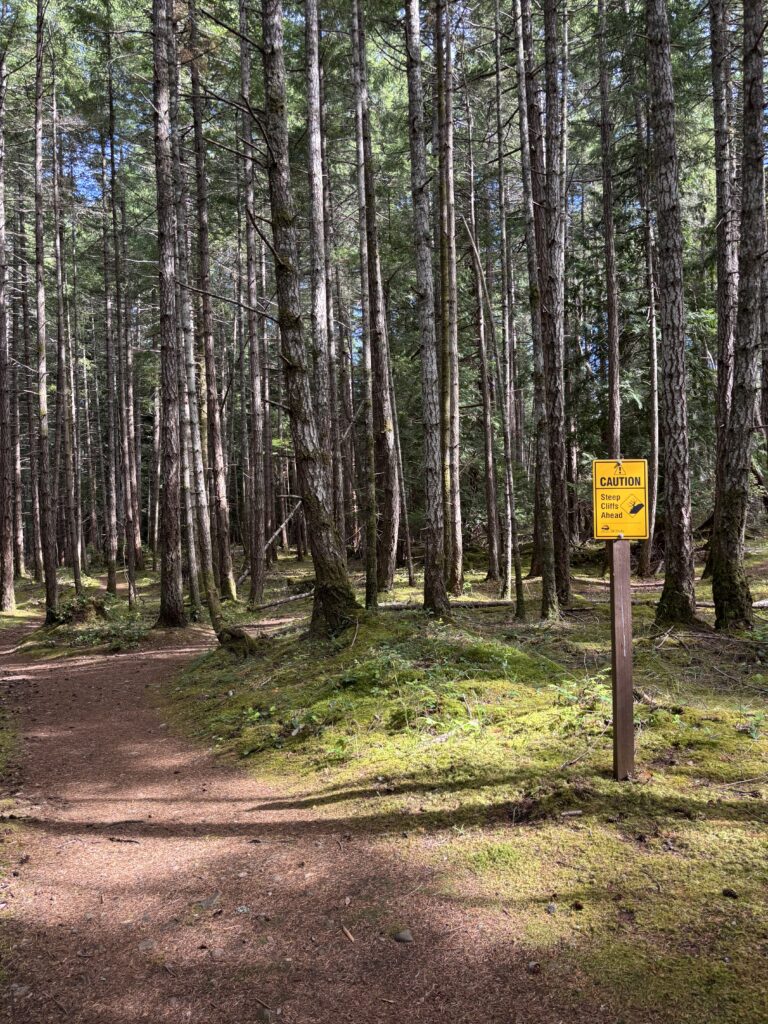
I park the car out of the way, and rush onto the trail. I only have a short moment to explore this area before the ferry comes. A hundred feet into the trail, there’s a warning sign for a cliff drop off.

I continue with a fast pace towards a small clearing in the trees. As I get closer, I see it opens up into an incredible view of the channel and Denman. There’s a bench just off the trail, I sit and take in the view.

This is the spot. The bench, the lookout, the quietness. Flashes of memories come back from when I was 11; all the frustration I had from being around all the chaos of my family and our friends for 48 hours straight. Long days, late nights, and little rest between activities. I came here to escape. Here, I finally got a moment to breath, to just sit in the calmness of nature, listening to the birds sing and admire the view. I sat there for an hour or two, completely losing track of time while I watched all the boats pass through the channel and the birds and butterflies fly around me, the sun setting behind the mountains beyond. I get the same sense of peace now as I did back then; I’m so happy I found this place again.

I check my watch and realize there is only 15 minutes before the ferry is supposed to leave. I need to go now, otherwise I’ll have to spend the night on Hornby in my car. I jog back to the cul-de-sac and waste no time starting up my car and heading back down the steep, gravel road. It only takes 5 minutes to get into the ferry line-up and there’s only a handful of cars in the terminal. I park my car and watch a few kids play soccer in the empty space in the lot. As I sit in my car, waiting for the ferry on this beautiful evening, I think about the reason I made this trip today. I’m so happy I finally came back to Hornby and got to explore all the amazing spots on this island. And I completed my mission! The reason that motivated me to follow through with this plan. I found the spot I have continuously been thinking about for 9 years. Anytime I felt overwhelmed or just wanted to escape and be by myself for a little bit, my thoughts would always bring me back to this lookout. I tried to find a spot similar in Comox, then in Victoria when I went to university, but nothing ever compared. And when I finally made it back to this special place today, it brought back that same feeling of complete serenity I’ve been searching for since I was 11. At last.

The End.

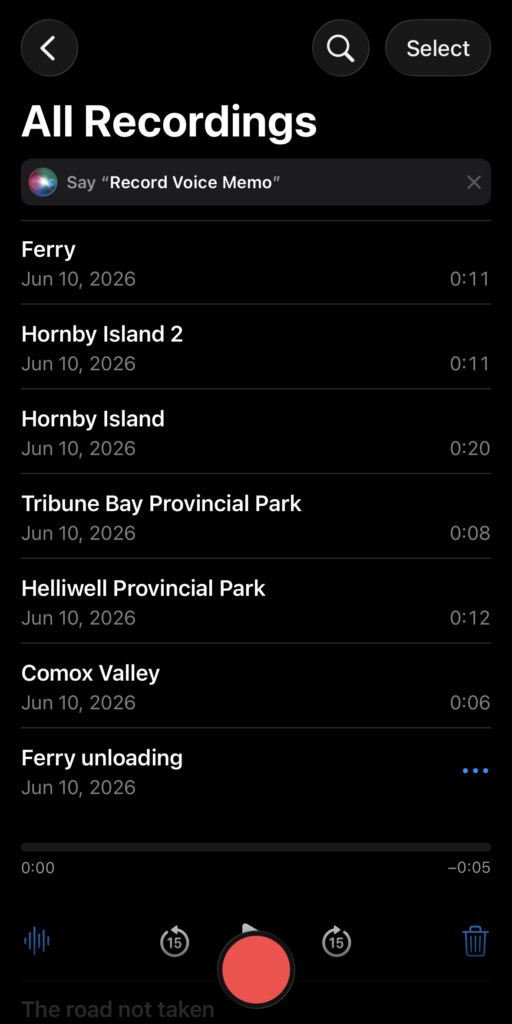
(once again, I can’t seem to put the voice recordings I took on my phone into this post. I am able to share the file and download it to my computer but when I try to add the audio into my post on WordPress, it says “This type of file cannot be imported” and I don’t know how to fix this. I have tried many times to change the file type and with different audios, but it still won’t work. I’m not able to get any different recordings now with a different app/ method, as I won’t be back to Hornby soon enough. I hope the audios from the videos will work well enough! My apologies)

Proof…

Welcome and Introduction

Before proceeding with this first blog post, we expect you to consider your privacy preferences carefully and that you have considered the following options:

  1. Do you want to be online vs. offline?
  2. Do you want to use your name (or part thereof) vs. a pseudonym (e.g., West Coast Teacher)?
  3. Do you want to have your blog public vs. private? (Note, you can set individual blog posts private or password protected or have an entire blog set to private)
  4. Have you considered whether you are posting within or outside of Canada? This blog on opened.ca is hosted within Canada. That said, any public blog posts can have its content aggregated/curated onto social networks outside of Canada.

To help you build your digital presence and establish yourself in the field, I recommend creating a public website under your full name. While this approach aligns with the principles of open education and gives you control over your professional narrative, I completely understand if you’re not comfortable sharing things publicly for a variety of valid reasons.

First tasks you might explore with your new blog:

  • Go into its admin panel found by adding /wp-admin at the end of your blog’s URL
  • Add new category or tags to organize your blog posts – found under “Posts” (but do not remove the pre-existing categories or sub-categories).  If you would like to add more course categories, please do so (e.g., add EDCI 306A with no space for Music Ed, etc.)
  • See if your blog posts are appearing on the course website (you must have the course categories assigned to a post first and have provided your instructor with your blog URL)
  • Add pages
  • Embed images or set featured images and embed video in blog posts and pages (can be your own media or that found on the internet, but consider free or creative commons licensed works)
  • Under Appearance,
    • Select your preferred website theme and customize to your preferences (New title, etc.)
    • Customize menus & navigation
    • Use widgets to customize blog content and features
  • Delete this starter post (or switch it to draft status if you want to keep for reference)

Do consider creating categories for each course that you take should you wish to document your learning (or from professional learning activities outside of formal courses). Keep note, however, that you may wish to use the course topic as the category as opposed to the course number as those outside of your program would not be familiar with the number (e.g., we use “Multimedia Learning” instead of “edci337).

Lastly, as always, be aware of the FIPPA as it relates to privacy and share only those names/images that you have consent to use or are otherwise public figures. When in doubt, ask us.