Data visualization is a helpful way to share information because it makes complex research easier for people to understand. Scientific studies often come with a lot of numbers, percentages, and technical language, which can be hard to interpret on their own. Using visuals like bar graphs and pie charts helps break that information down into something more approachable. These visuals give viewers a quick sense of what the data is showing without needing to read through long explanations.
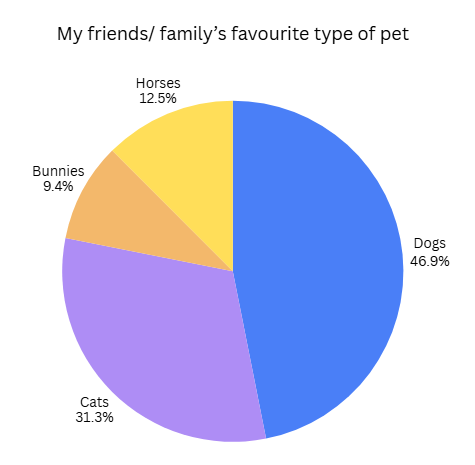
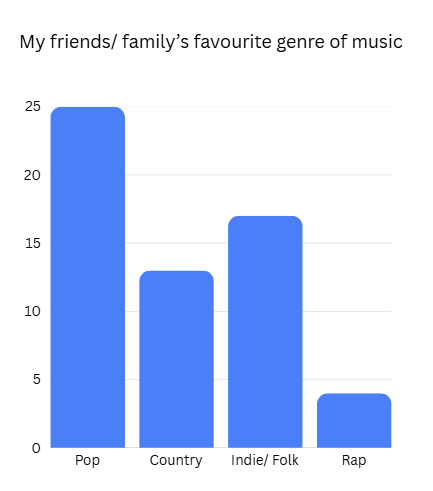
What makes data visualization so effective is how clearly it highlights differences and patterns. A bar graph can show changes between groups or categories in a way that’s easy to compare, and a pie chart can show how something is divided up at a glance. Instead of trying to picture the numbers in your head, you can see the relationships right in front of you. This makes the information feel more organized and easier to follow.
Visuals also help keep people engaged. Most viewers process images faster than text, so a simple, well‑designed graph can make the information more memorable. It also helps build trust because the data is laid out in a clear, transparent way. People can see exactly where the numbers come from rather than trying to interpret them on their own.
This connects well to Mayer’s multimedia learning theory, which explains that people understand information better when it’s presented in both words and visuals. Data visualization supports this by giving viewers something clear to look at while they interpret the numbers. Instead of relying only on text, graphs help break the information into a format that feels easier to process. When viewers can see the data laid out visually, it reduces the mental effort needed to make sense of it. This makes the information more accessible and helps people focus on the main message rather than getting lost in the details.
Recent Comments